Rural advocates have been working for several years with national organizations and rural practitioners to highlight the importance and need for capacity-building investments like the proposed Rural Partnership Program (RPP). Currently, there is an important rural development opportunity to include this new capacity-building program in the 2024 Farm Bill, building on previous proposals under discussion back in 2021.
Negotiations on the Farm Bill continue to move forward. The Agriculture Committee in the House of Representatives successfully marked up and sent their version of the Farm Bill in late May to the full House for a vote. Senator Debbie Stabenow (D-MI), chair of the Senate Agriculture Committee, has also released a proposed framework for the Senate version. One of the proposals under consideration by the Senate is a Rural Partnership Program, based on bipartisan legislation proposed by Senators Deb Fischer (R-NE) and Bob Casey (D-PA).
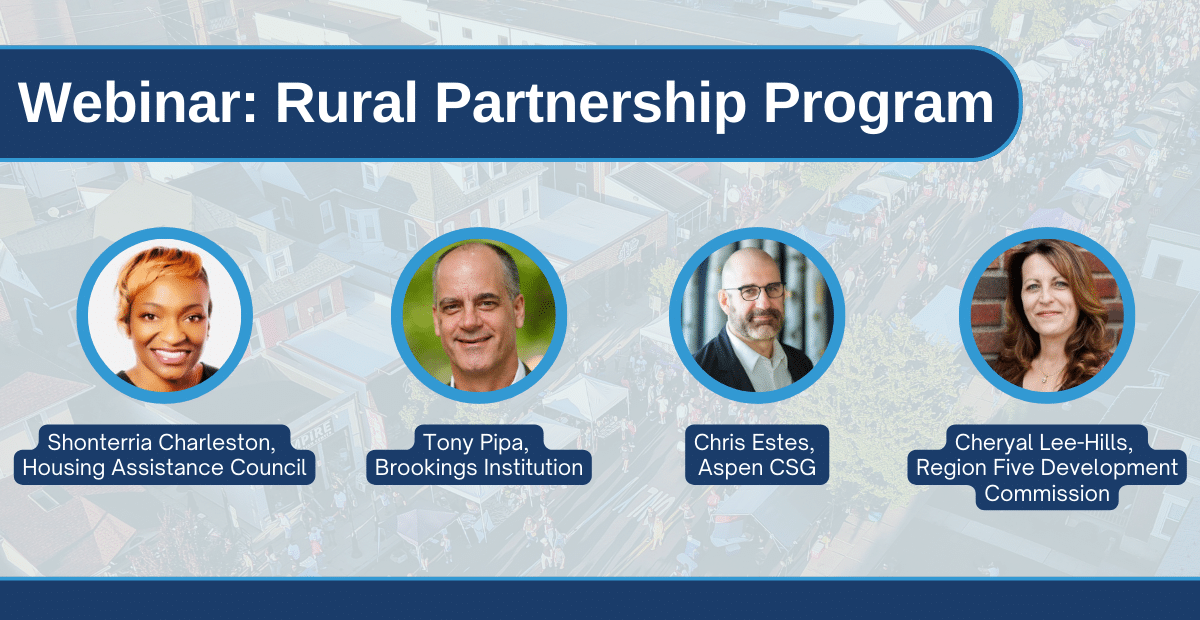
On June 24th, partners joined Aspen CSG, colleagues from the Brookings Institution, and practitioners from the field to learn more about this proposal to offer flexible grants directly to rural partnerships and strengthen their capacity and expertise to pursue locally-led solutions for rural development.
Webinar recording

Our Speakers

Shonterria Charleston
Director of Training and Technical Assistance, The Housing Assistance Council
Shonterria oversees and coordinates of all the Housing Assistance Council (HAC) training and technical assistance activities, including the Rural Community Development Initiative (RCDI), Affordable Housing for Rural Veterans (AHRV) Initiative, the Native American and Alaska Native Initiative, and she manages HAC’s National Rural Housing Conference as well. Prior to this position, Shonterria served as HAC’s Program and Training Manager, providing program oversight of HAC’s Rural Veterans Initiative, its Rural Community Development Initiative (RCDI) and training activities, as well as a providing technical assistance on organizational capacity building, nonprofit governance, management, development, strategic planning, and transformation related to an array of programs including HOME, single-family housing development, and HUD’s Section 202 and 811 supportive housing programs. Shonterria is a veteran of the United States Armed Forces (ARMY-Active Component).

Cheryal Lee-Hills
Executive Director, Region Five Development Commission
Cheryal joined Region Five Development Commission (R5DC) in 2006 and has a 25+ year national reputation as an action-oriented convener with experience in securing resources through authentic relationships that have spurred equitable economic ecosystems that honor our environmental stewardship commitments in rural Central Minnesota communities. Cheryal currently provides oversight of seven lending programs and community development initiatives on transportation, workforce development, renewable energy, climate and water planning, broadband, local foods, and arts and culture, with an intentional focus on the Welcoming Communities program. This program was launched in 2018, when she became a Qualified Administrator of the Intercultural Development Inventory (IDI) assessments to improve regional cultural competency. To date, her organization has delivered IDI to more than 32 groups, 389 people with 146 of those receiving personal IDI assessments and ongoing support. Via Cheryal’s leadership, R5DC is nationally recognized – one of six Hub experts on delivery of the WealthWorks evaluation model.
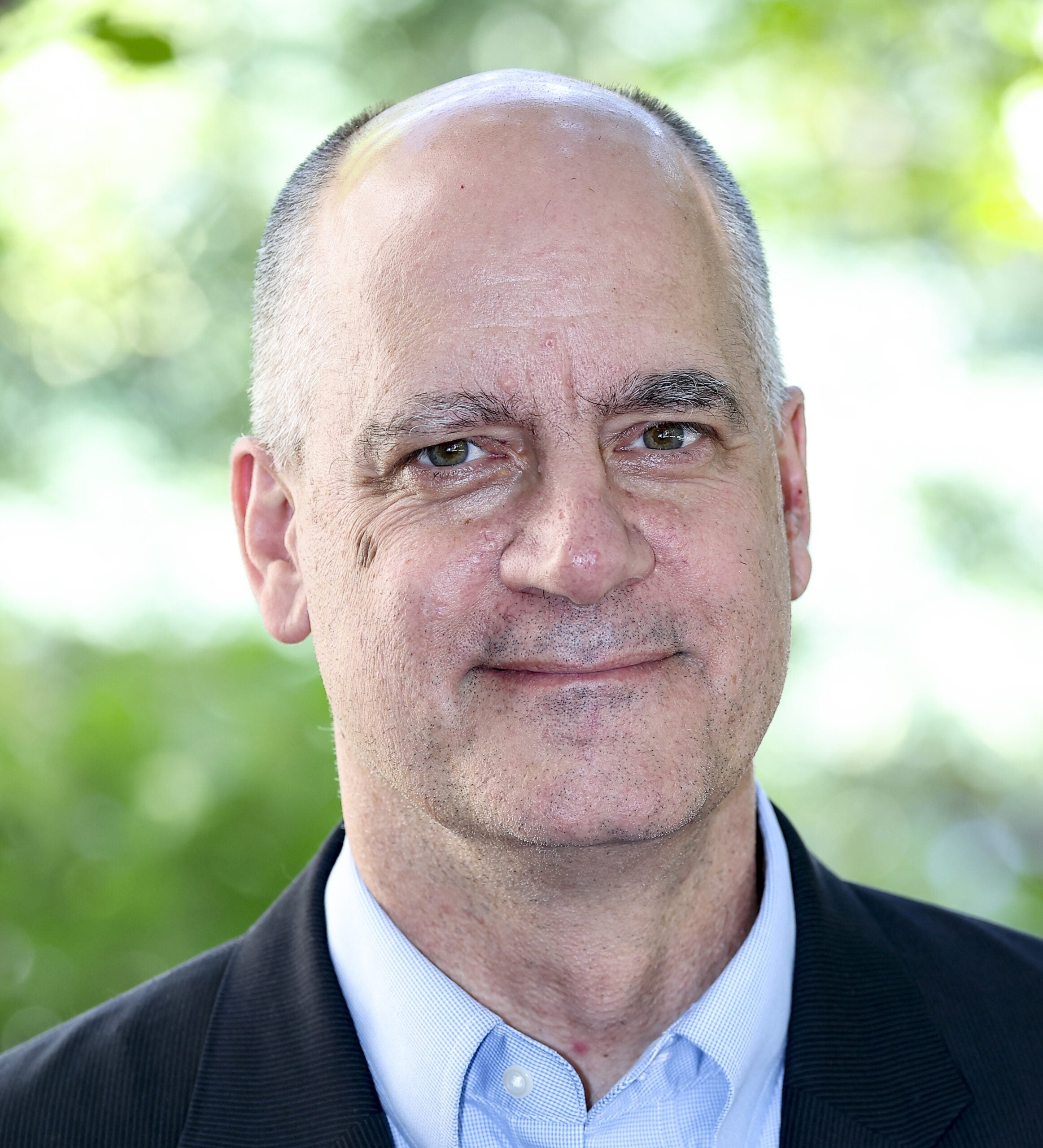
Tony Pipa
Senior Fellow, Brookings Institution
Tony Pipa is a senior fellow in the Center for Sustainable Development at the Brookings Institution. Tony launched and leads the Reimagining Rural Policy initiative, which seeks to modernize and transform U.S. policy to better enable equitable and sustainable development across rural America. He also launched and leads the Local Leadership on the Sustainable Development Goals (SDGs) initiative, which explores the approach cities and local institutions are taking to solve local problems while driving progress on global policy and transnational issues. Tony has three decades of executive leadership experience in the philanthropic and public sectors addressing poverty and advancing inclusive economic development in the U.S. and globally. He served as chief strategy officer at the U.S. Agency for International Development and held multiple senior policy positions at the agency.
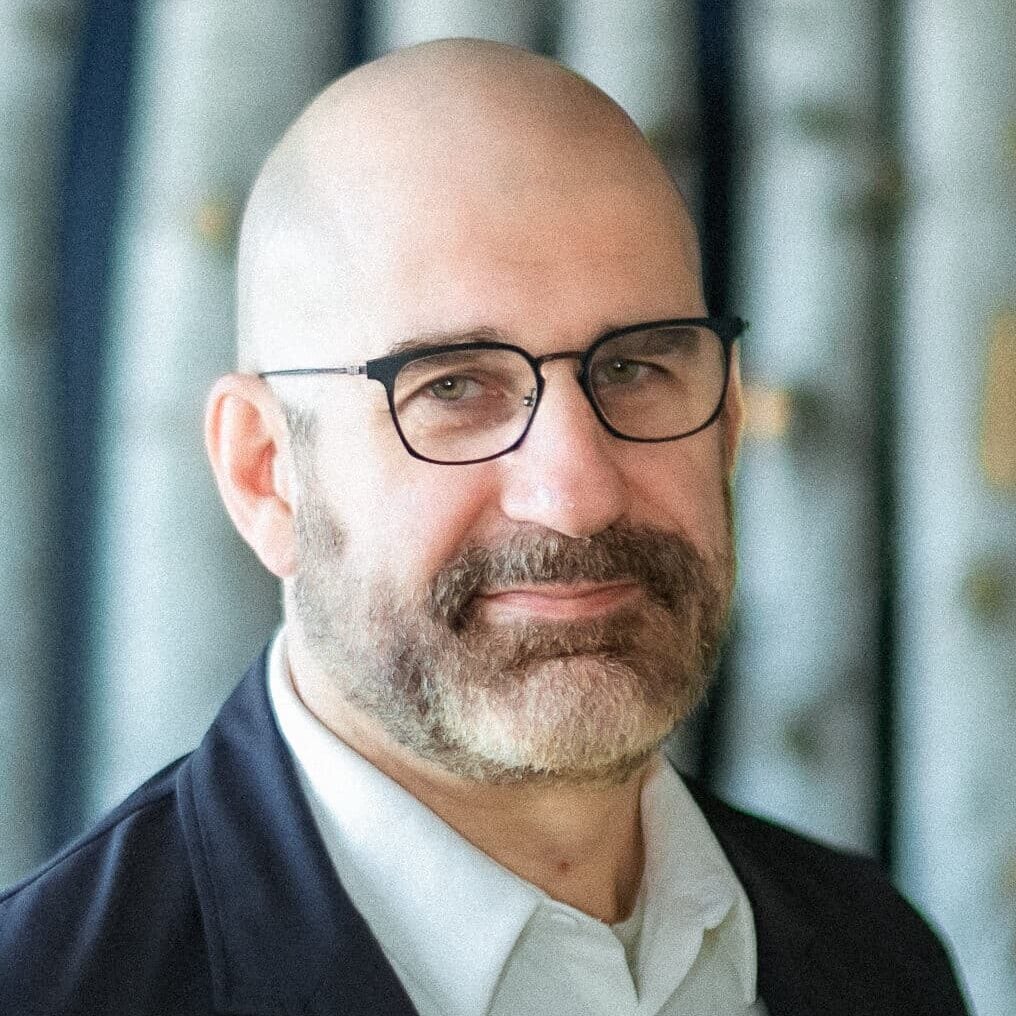
Chris Estes
Co-Executive Director, The Aspen Institute Community Strategies Group
Chris Estes is a national rural development leader focused on equitable, sustainable, and holistic approaches to strengthening rural communities. Since joining the Aspen Institute Community Strategies Group in 2021 and becoming the Co-Executive Director in 2022, Chris works to integrate the Thrive Rural Framework as a tool for supporting, connecting, and growing the field of equitable rural prosperity. This includes working in coalition and partnership with national organizations to shift thinking on how federal programs measure success in rural areas as well as increasing funding for regional capacity building. Overall, Chris’s work at the national level has given him insight into federal policymaking and the inner workings of HUD and USDA-Rural Development. His experience at the community level in community organizing, affordable housing development, land use, and credit syndication has exposed him to good practice, innovations, and challenges in states and urban and rural localities across the nation.