
Focus on improving outcomes, not just maintaining or rebuilding the status quo
The principles featured in our report, Through Natural Disaster to Prosperity: A Call to Action, are grounded in an equitable community prosperity approach that seeks to improve health and economic outcomes for rural communities, not simply to preserve their current status. This holistic approach, grounded in the building blocks of the Thrive Rural Framework, focuses on improving the health of the community overall, not just fixing what is threatened or broken by a disaster. It is also a strengths-based approach, focusing on building from community assets and engaging community members as creators and shapers of their communities’ futures.
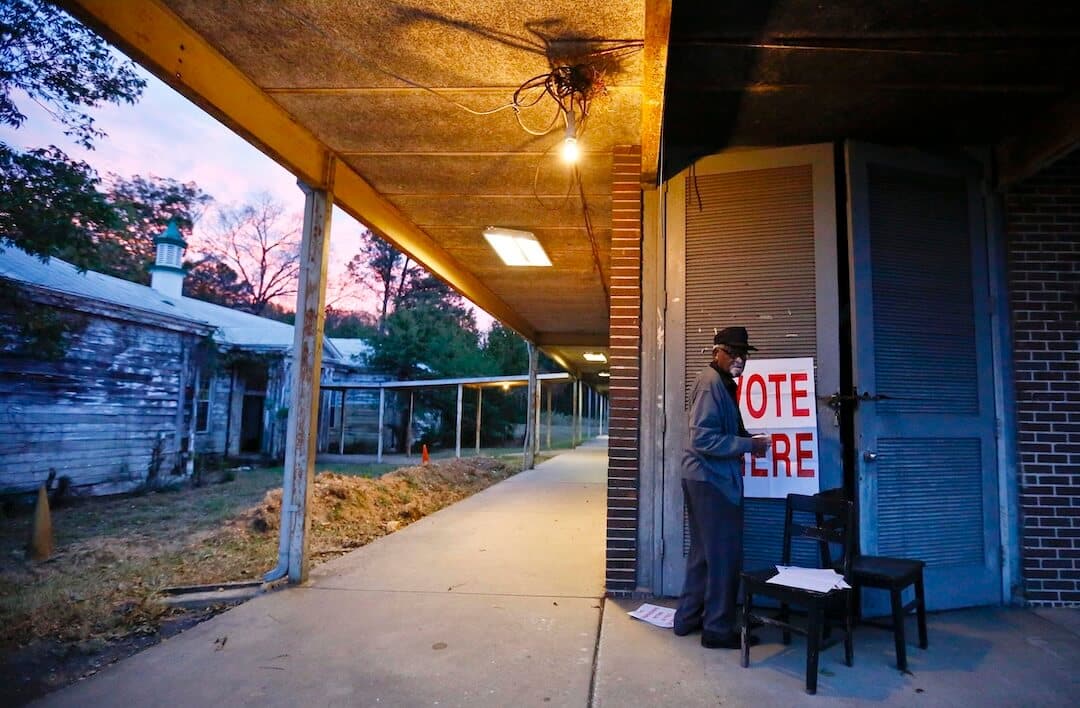
Traditional disaster response focuses on protection, repair, and preservation — protecting a community’s current infrastructure and resources and, following a disaster, repairing those resources to maintain the community’s pre-disaster status. But given the deep inequities around place, race, and class that affect rural communities, this “insurance approach” to disaster preparation, response, and recovery is inadequate. For example, consider a racially segregated, disinvested community.
Building back to recreate pre-disaster conditions would mean rebuilding substandard housing, rebuilding in disaster-prone areas like flood plains, and reproducing inequitable outcomes for community health and prosperity. Status quo alternatives for rebuilding to pre-disaster conditions include limited or harmful solutions like tearing down substandard housing without providing alternatives or preventing rebuilding in the floodplain, leading to further displacement of already vulnerable households.
Beyond the danger of replicating an inequitable status quo, the insurance approach, with its focus on repairing individual properties and compensating individual people, fails to account for and address the big-picture dynamics, health, and prosperity of a community.
Beyond local impact and equity concerns, the equitable community prosperity approach has the potential to dramatically improve taxpayers’ return on investment for disaster funding, which is a significant and growing portion of federal spending. Communities that emerge from disasters damaged and shaken will be more vulnerable to future disasters and will require more and more funding to “fix.” But if communities emerge from disasters stronger and more able to withstand and recover from future disasters, we engage in a virtuous cycle that drives national prosperity as well.